The evening that went sideways
Dinner out, a good one. The person across from you stops talking, or goes to the bathroom and doesn’t come back for a while. In the car they can’t explain it. You replay the evening looking for the thing you did, and the answer is the room.
A nervous system takes in a huge amount every second: sound, light, smell, texture, temperature, the feel of clothes, the fridge hum you stopped noticing hours ago. Most brains filter most of that out automatically. Many autistic brains filter less, or differently, so more of it arrives at full strength and stays there.
Sensory overload is what happens when that incoming flood outpaces what a person can process. A real limit is being exceeded.
What it’s like from the inside
People describe it like this. The world gets loud even when it isn’t, and sounds sharpen into something almost physical. Lights press on the eyes. A seam or a tag they tolerated an hour ago becomes unbearable.
Thoughts stop lining up, and speech gets harder, then sometimes impossible. They feel irritable, panicky, trapped, and they may be unable to tell you why, because the part of them that explains things has gone offline. So when you ask “what’s wrong” and get nothing, or get a snap, that’s the state you’re looking at.
For some people it crests into a meltdown: an involuntary overflow that can look like tears or like anger. For others it’s a quiet shutdown, going still and far away. Both are involuntary, what a maxed-out system does to protect itself, and both pass faster if nobody adds to the load, including with concern.
How it stacks up
Triggers are personal, and the person you love is the authority on theirs. Common ones include crowded, echoing spaces like supermarkets and transit hubs; fluorescent light and screen glare; overlapping conversations; strong smells; scratchy or tight clothing; heat; and the slow grind of a long day with no quiet in it.
Accumulation is the usual mechanism: a dozen small inputs stacking until an ordinary noise becomes the one that tips them over. That’s why it can seem to come from nowhere, and why “but it’s only the TV” is true and beside the point. The TV was the last input. The day was the load.
The part of the load that’s yours
Some of the load is the shared environment, which makes it yours to change without a conversation: the overhead light instead of the lamp, the TV on for company while nobody watches it, music in the kitchen while you talk, a perfume, the habit of asking questions from another room. All of it counts.
If you’ve been hearing a request to turn something off as a criticism of your taste, it’s cheaper to hear it as a volume note.
The other part is what happens afterward: “you were fine an hour ago,” “everyone else managed,” “it’s only a bit of noise,” “can you at least try to stay.” Each of those adds a demand on top of an overloaded system, and each teaches the person that overload around you costs extra.
What many people say helps
Fewer inputs, before and during. Pushing through is what causes the crash.
Leaving early, without apology, is what people mention most. The bathroom, the car, a quiet stairwell, a step outside. A few minutes of low input can stop a wobble becoming a crash. If you’re the one who takes an early exit personally, or who says “we’ve only been here an hour,” that’s the piece you can change tonight, and it’s free.
Planned quiet also helps. If a loud day is coming, low-stimulation time around it is how the system recovers, and it isn’t laziness. If you’re the social one in the pair, this is where a lot of friction lives: the Sunday after the Saturday.
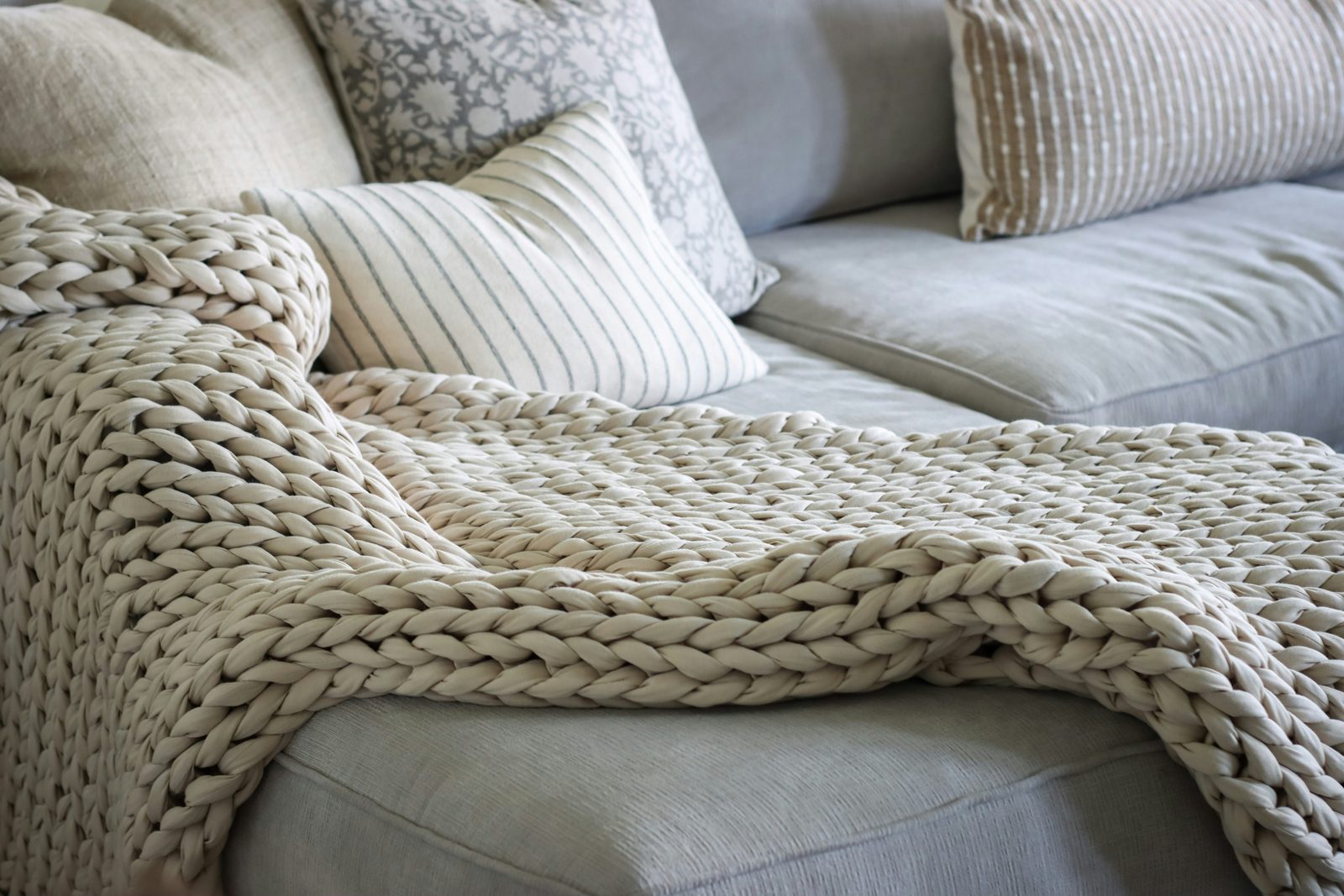
At the source, some people use tools. Filtering earplugs turn down a roaring room, and tinted or polarized glasses take the edge off harsh light. A weighted blanket gives an overloaded body something steady to settle against, and a fidget or a chewable gives a restless system the repetitive input it’s asking for (stimming is regulation). Over-ear headphones make a pocket of quiet almost anywhere.
The free version of all of it is a closed door and no questions for 10 minutes. They’ll know what they need; ask before buying, since some people hate the weight of a blanket or the feel of earplugs.
A sentence a lot of people land on: “I’m getting overloaded, I need 10 minutes.” Your half is hearing it as information.
Where a professional fits
If overload is seriously disrupting their life, a neurodiversity-affirming professional can help them build a plan that fits them. That’s their call. It comes with the usual limits, cost and waitlists among them, plus clinicians who don’t take adult sensory needs seriously. A lot of relief starts smaller and closer to home than that, which is why the shared environment matters so much.
About the word “sensitive”
If the person you love has spent years being told they’re too sensitive, that word has probably come out of your mouth too. Many autistic people also describe noticing what everyone else misses; overload is the cost side of a finely tuned system, and they’re allowed to protect it.
Sensory stuff overlaps heavily with ADHD, and the two can amplify each other; the ADHD primer and AuDHD overview cover the crossover. A question worth asking on a quiet evening: “What in this house is loud to you that I’ve stopped hearing?” Then turn it down.